
Welcome to your cat world
Cat tips
Welcome to your cat world
Discover exciting practical tips for your life with a cat
Pedigree cat or "normal" house cat? Every house cat has its own character - belonging to a particular breed is not the decisive factor. It is therefore basically a matter of personal taste which cat you choose. Our breed portraits will help you make the right choice.
Many cat lovers get their cat by chance, e.g. because a friend has had kittens. Cats are also often placed in the classified ads of the daily newspaper. Pet shops can also help you find a cat, for example there is often a notice board where kittens or foundlings are placed. Another very good option is the animal shelter: there are always cats waiting for a loving home.
It is best to buy a purebred cat from a responsible breeder. You can get addresses from your vet, cat breeders' associations or pet shops.
To feel really comfortable, your cat will need some accessories as well as food:
Our domestic cats are actually still hunters whose organism is specialized in the utilization of meat and high-quality animal proteins.
Nevertheless, cats are not pure carnivores: wild cats also consume vitamin-rich, plant-based food components via the stomach contents of their prey. Our domestic cats therefore need a balanced diet, especially one rich in protein, which is precisely adapted to their special needs. As real gourmets, they love variety - and the Vitakraft range leaves nothing to be desired in this respect!
Staple food:
A balanced staple food such as the delicious POESIE® covers the cat's basic nutritional requirements.
Snacks:
These treats are primarily intended to pamper your cat. At the same time, a snack should also be species-appropriate and healthy. It can even fulfill an additional function, e.g. support dental care as with Crispy Crunch dental care.
Even in ancient Egypt, cats won the hearts of people. It was the cats that sought proximity to humans: The people's grain supplies attracted many mice - and the cats took on the job of mouse hunters. This made them so valuable to humans that they were even worshipped as deities.
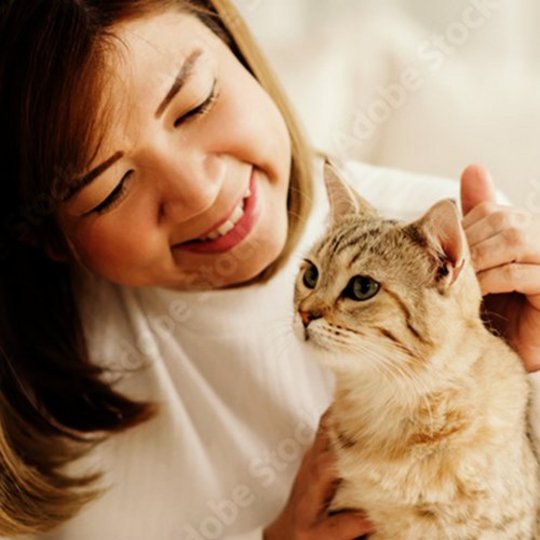
Cats radiate peace and security and sometimes behave almost human-like. They show their affection through loving physical contact and can react with real offense if they want more attention. With their intelligence and extremely keen sense of mood, they know exactly how their human is feeling.
Whether in a family or a single household, cats are very adaptable and can adjust to (almost) any living situation if treated with love. If it is used to it from an early age and you spend a lot of time with it, it can therefore also be kept in a city apartment.
Initially, a cat needs a little time to get to know its unfamiliar surroundings. However, if you stay close to her and talk to her gently, she will explore her new territory with interest and soon feel at home.
Cats greet "their" humans by rubbing their heads against them. Cats also show their sympathy for each other in this way.
Cats love the company of humans. But they also make friends with other cats - although it is best if each cat has its own territory in the home.
As a rule, two cat siblings get on best. However, it is also possible to keep a young cat together with an older cat. It is important that each animal has its own food bowl and that the older cat continues to get its usual cuddles.
Lovers of certain breeds often report that some breeds are particularly good to keep together, such as the temperamental Siamese or the calm Persian cats.
You don't have to train cats very much, as they know many important behaviors instinctively, such as using the litter box. Cats are naturally very clean and often learn house-training from their mother. A young kitten should be put in the litter tray after every meal, then it quickly understands that this is the place where it should do its "business". As the litter tray is the only place in the home where you can scratch, it is often visited quite instinctively.
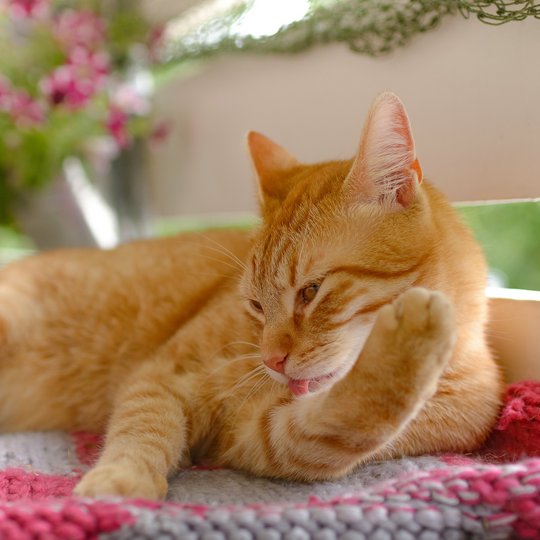
Cats are very clean and groom themselves extensively several times a day. However, a few additional grooming measures are necessary from time to time.
Shorthair cats should be brushed occasionally during the spring shedding period. Long-haired cats should be groomed regularly with a special metal comb to keep their coat smooth and shiny.
Some indoor cats need their claws trimmed occasionally. The vet will be happy to show you how to do it properly.
Most cats are afraid of water and should therefore only be bathed when absolutely necessary. Use mild cat shampoo, e.g. from Vitakraft.
Remove soiled litter from the litter tray daily with a scoop and refill with fresh litter. Once a week, the litter tray must be washed out hot - then the litter is completely replaced. With some types of cat litter, the period for a complete change is longer, e.g.
Vitakraft Magic CLEAN®(up to four weeks). Do not use harsh household cleaners for cleaning! Cats have sensitive noses!