

Small animal guide
Small Animal Knowledge Guide
Dwarf rabbit guide
Show all answers
Hide all answers
-
How do I make it easier for my dwarf rabbit to settle in?
Behavior
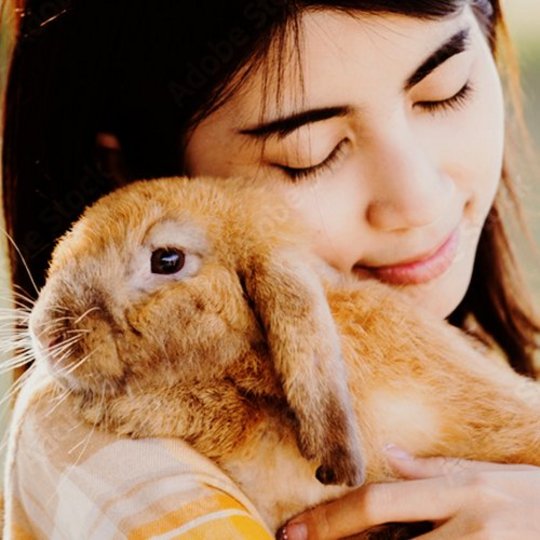
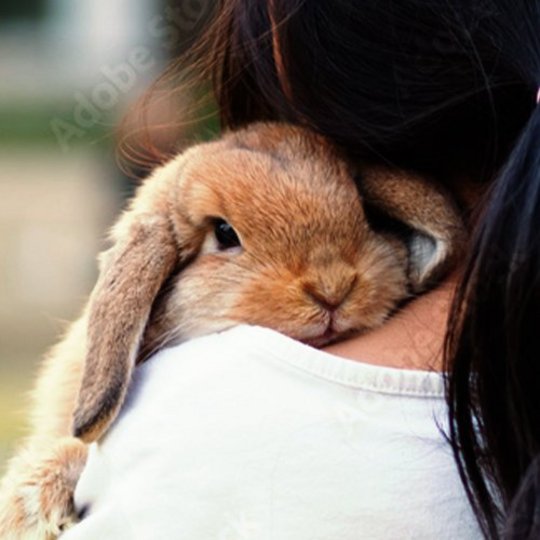
It's no wonder that dwarf rabbits are so popular as pets. They are simply cute, clever and active at the same time and can become very trusting. They also love to be stroked.
Incidentally, the wild ancestors of dwarf rabbits lived together in large colonies. This is why dwarf rabbits feel most comfortable in the company of other rabbits.
The first few hours in their new home
The dwarf rabbit's home should be fully furnished before it arrives. Especially in the first few days, it is important to disturb the rabbit as little as possible so that it can get used to its new surroundings in peace. If two animals have to get used to each other, proceed with caution and observe the animals closely as they get to know each other.
How to tame a dwarf rabbit
Dwarf rabbits are very sociable by nature and easily become trusting. With a little patience, you will quickly gain the animal's trust. Right from the start, you should talk to it in a calm, friendly tone and call its name. After a few days, when the dwarf rabbit has settled in, you can gradually get it used to your hand: It is then best to lure it with a treat, e.g. with drops. In this way, it will get used to the smell of your hand and will soon enjoy being stroked.
-
How do I feed my dwarf rabbit correctly?
The basics of nutrition
Rabbits originate from the "green zones" of southern Europe. There the herbivores found a rich food supply: Seeds, various grasses, herbs, fruits and berries.
To ensure that our dwarf rabbits feel well and stay healthy and fit, they need a diet that is tailored to their specific needs.
Vitakraft 's nutritional concept takes into account the nutritional requirements of dwarf rabbits in the best possible way: all nutrients and anabolic substances are contained in the right quantities and the animals get everything they need for a long and healthy life, e.g. a high crude fiber content, minerals, fruit, green fodder and vitamins. Of course, the taste is not neglected either! A combination of different Vitakraft products also offers the animals important variety.
The types of food:
Staple food:
A staple food, such as Vital Menu covers the basic nutritional requirements of rabbitsRoughage:
Roughage contains a high proportion of fiber, which is important for the rabbits' digestion. As these fibers also require long periods of chewing, the teeth are cared for and the animals are kept busy at the same time. The roughage includes, for example Vita Verde® Alpine meadow hay or Vita Verde® organic herbal hay hay mixtures, e.g. with dandelion or camomile.Kräcker®:
These tasty nibble sticks fulfill several functions at once: The animals have to work for their food just like in nature. This is good against boredom and keeps the dwarf rabbits busy in a species-appropriate way. Nibbling on the hard Kräcker® also promotes the abrasion of the constantly growing teeth and thus supports their care.Treats:
Snacks, such as drops serve primarily as a reward and are a valuable aid in taming and habituationFood supplements:
Food supplements such as VITA Fit® Vitamin C drops or VITA Fit® C-forte serve to strengthen and build up the body and cover the special requirements in certain life situations, e.g. during growth, after illness, in particularly active animals, during pregnancy, etc.Feeding tips:
- Feed smaller portions several times a day
- Feed a varied diet
- Add fresh hay to the hay rack every day
- Always provide fresh drinking water or VITA Fit® rodent drink offer
- Feed daily juice food, i.e. vegetables, herbs or fruit. Ideally suited: e.g. carrots, carrot greens, dandelion, peppers
- Remove wilted juice food residues
- Always offer something to nibble on for dental care, e.g. Kräcker® and plenty of hay
-
What do I need to bear in mind when keeping and caring for dwarf rabbits?
Exercise is fun
Dwarf rabbits love to move around and need enough "play space" in their home. The rabbit's home should therefore be large enough to allow them to do some jumping and "maneuvering". Daily exercise is also important for the health and vitality of dwarf rabbits: The animals like to run and jump around in the secured garden or in the apartment. There is a lot to explore and discover. That's why you should always keep an eye on them.
Cleaning the rabbit house
Depending on the size of the rabbit house and the number of animals, all bedding should be removed once or twice a week, the cage floor and the toilet corner wiped out with a damp cloth and new bedding put in. The food bowl and drinking trough must be hot-washed regularly. Once a month it's time for a real deep clean: The cage, including the top part of the cage, is given a hot shower in the bathtub. But please never use strong household cleaners!
Personal hygiene and health care
Dwarf rabbits are generally very clean and keep their fur clean themselves. You therefore don't need much time to groom them:
Coat
During the change of coat in spring and fall, dwarf rabbits should be brushed occasionally with a brush that is not too hard and loose hair should be carefully plucked out. However, they don't like baths and showers at all - and it would also be harmful to the animals. Long-haired rabbits need to be brushed regularly, angora rabbits even need to be clipped.
Claws and teeth
Most indoor rabbits need to have their claws clipped from time to time. This must be done very carefully, as the claws contain nerve endings and blood vessels that must not be damaged. Your pet shop or vet will know how to do it properly. Teeth should also be checked from time to time. The vet can help with any problems.
-
How can I recognize a healthy dwarf rabbit & what do I need?
Dwarf rabbits are cute and generally easy to care for pets that need a companion to feel comfortable. You should make a few preparations before buying one. To ensure a long and healthy life for your new pets, it is important that the dwarves can settle into a well-equipped environment.
Checklist for the initial equipment:
- Sufficiently large dwarf rabbit home
- Stable, washable food bowl, e.g. made of glazed ceramic
- Hay rack for the daily hay ration
- Hay, e.g. Vita Verde®
- Rodent drinker with fresh water or VITA Fit® rodent drink
- Sleeping house for sleeping and resting
- Soft, absorbent bedding, e.g. small animal bedding made from wood shavings or Farmer's straw litter made from pelleted straw
- Salt lick for the supply of important minerals and trace elements, for example VITA Fit® Sel-plus
- Staple food, e.g. Vitakraft Vital menu
- Vitakraft Kräcker® for activity and tooth wear
Tips for buying dwarf rabbits
You can buy dwarf rabbits in almost any pet store or directly from a breeder. The addresses of breeders can be obtained from the rabbit breeding club, for example, which can be found in almost every town. Many rabbits are also waiting for a new home in animal shelters.
When buying a young animal, it should be at least 7 - 8 weeks old. Please remember: rabbits are social animals that want the company of other rabbits!
Healthy dwarf rabbits can be recognized by
- their lively, alert behavior
- a thick coat
- clear, bright eyes
- a dry nose
- clean ears
- a clean anus region
The right location for the dwarf rabbit house
The dwarf rabbit house should be placed in a bright and quiet corner of the room. Blazing sun or draughts can harm the animals. Because dwarf rabbits have more sensitive hearing than humans and also perceive frequencies that we can no longer hear, the rabbit house should not be placed near the television, for example.
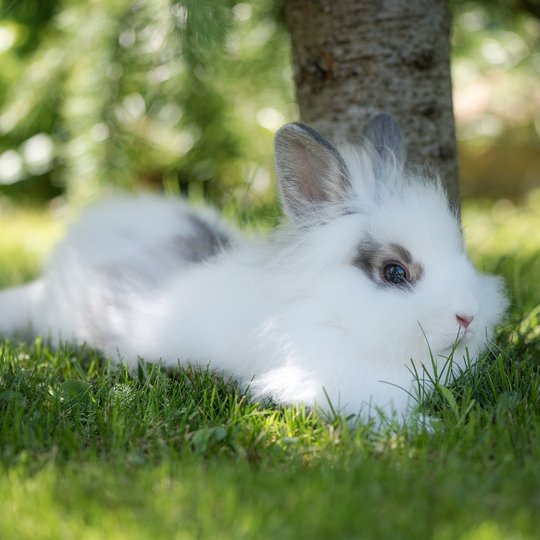
In summer, dwarf rabbits also like to live in a sheltered outdoor enclosure, for example on a balcony protected from the sun or in a shady spot in the garden. For safety from curious cats, the enclosure should be covered with wire mesh. It must also be secured at the bottom - because rabbits dig tunnels!
Guinea pig guide
Show all answers
Hide all answers
-
What do I need to bear in mind when keeping guinea pigs?
Behavior
In the wild, wild guinea pigs live together in a clan. They are used to this way of life and feel safe and happy this way. That is why our guinea pigs also love - and need - the company of other guinea pigs.
Female guinea pigs get on particularly well. But keeping two or more males or neutered males is not a problem either: as long as they are used to each other and there are no females around, rivalry will generally not break out. Keeping a small group of one neutered male and two or more females is particularly popular with guinea pig lovers. If you keep a group or a pair with an unneutered buck, you can expect plenty of offspring. Bucks should therefore be neutered by a vet.
Guinea pig language
The complex social behavior of guinea pigs can be seen, for example, in the different sounds they make. These range from quiet cooing to loud whistling and chirping to cat-like purring. Each sound has its own meaning in the guinea pig community. A joyful, loud whistle is often heard to greet humans.
The first days in the new home
Especially in the first few days after arriving in their new home, guinea pigs need a little peace and quiet to get to know their unfamiliar surroundings. Depending on how brave the animals are, they will sooner or later take a close look at everything.
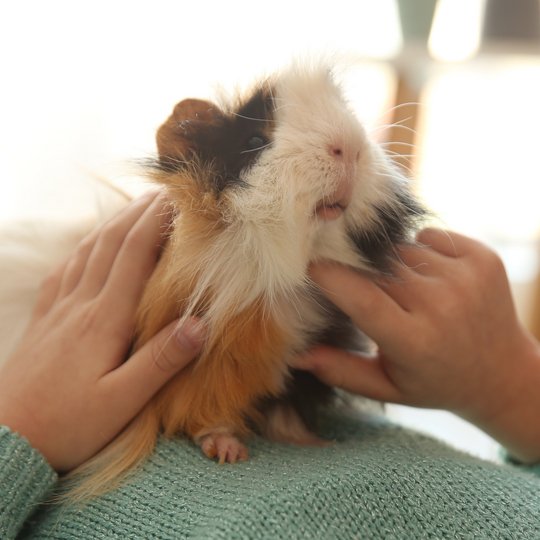
Once the little rodents feel really at home, you can start to make contact: the easiest way to do this is to lure the guinea pigs with a treat, e.g. with drops or fragrant dandelions. Speak in a gentle voice and avoid hasty movements. It is also important not to reach for the animal at first. Then it shouldn't be long before the animals like to have their heads scratched and later allow themselves to be picked up without fear.
-
How do I feed my guinea pigs properly?
The basics of nutrition
Guinea pigs originally come from grass-rich plateaus in South America, but they have been kept as pets for several thousand years.
Two factors in particular are very important for guinea pig nutrition: a high crude fibre content and sufficient vitamin C, as guinea pigs, unlike other animals, cannot synthesize this vitamin themselves.
To ensure that our guinea pigs feel well and stay healthy and fit, they need a diet that is tailored to their specific needs.
Vitakraft 's nutritional concept takes the nutritional and physiological requirements of guinea pigs optimally into account: all nutrients and anabolic substances are contained in the right quantities and the animals get everything they need for a long and healthy life, e.g. a high crude fiber content, vitamins, green feed and minerals. Of course, the taste is not neglected either! A combination of different Vitakraft products also offers the animals important variety.
The types of food:
Staple food:
A staple food, such as Vital Menu covers the basic nutritional requirements of guinea pigsRoughage:
Roughage contains a high proportion of fiber, which is important for guinea pigs' digestion. As these fibers also require long periods of chewing, the teeth are cared for and the animals are kept busy at the same time. The roughage includes, for example Vita Verde® Alpine meadow hay or Vita Verde® Nature plus hay mixtures , e.g. with dandelion or wild roseKräcker®:
These tasty nibble sticks fulfill several functions at once: The animals have to work for their food just like in nature. This is good against boredom and keeps the guinea pigs busy in a species-appropriate way. Nibbling on the hard Kräcker® also promotes the abrasion of the constantly growing teeth and thus supports their careTreats:
Snacks, such as drops serve primarily as a reward and are a valuable aid in taming and habituationFood supplements:
Food supplements such as VITA Fit® Vitamin C drops or VITA Fit® C-forte serve to strengthen and build up the body and cover the special requirements in certain life situations, e.g. during growth, after illness, in particularly active animals, during pregnancy, etc.Feeding tips:
- Feed smaller portions several times a day; hay must always be available
- Feed a varied diet
- Add fresh hay to the hay rack every day
- Always give fresh drinking water or VITA Fit® rodent drink offer
- Feed juice food, i.e. fruit or vegetables, every day. Ideally suited: e.g. carrots, carrot greens, apples, peppers
- Ensure a diet rich in vitamin C
- Remove wilted juice food residues
- Always offer something to nibble on for dental care, e.g. Kräcker® and plenty of hay
-
What do I need to consider when keeping and caring for guinea pigs?
Species-appropriate husbandry
Guinea pigs are social animals and need the company of conspecifics as well as a spacious home that offers enough room. Running and romping around together is important, but they also need to be able to get out of each other's way.
Daily exercise in the home or garden is good for their health and increases their zest for life. For their own safety, however, guinea pigs should not be allowed to run around unsupervised.
Personal hygiene and health care
Guinea pigs hardly need any help with personal hygiene, as these small rodents are clean animals that groom themselves frequently. However, long-haired guinea pigs should be helped with grooming by regular brushing. However, many short-haired guinea pigs also enjoy the extra stroking with a soft brush. However, guinea pigs should not be bathed unless the vet has prescribed it. Soiled fur is best removed with scissors, not water.
Claws
Most guinea pigs need their claws trimmed occasionally. Care must be taken not to injure the animal. Your pet shop, breeder or vet will be happy to show you what to look out for.
Cleaning the guinea pig home
Depending on the size of the cage and the number of animals, the bedding in the guinea pig home must be changed about twice a week and the toilet corner must also be cleaned. The guinea pig home itself and the furniture, i.e. food bowls, hay rack, etc. should also be cleaned regularly - preferably with warm water.
Once a month it's time for a real deep clean. Then the whole guinea pig home is sprayed down, e.g. in the bathtub or in the garden. However, harsh household cleaners should not be used. Very heavy soiling can be cleaned with a stiff brush, washing-up liquid or vinegar if necessary. Then rinse everything well with clean water and leave to dry. Only then should clean small animal bedding be filled in and the furniture replaced. This keeps the guinea pig home hygienically clean.
-
How can I recognize a healthy guinea pig & what do I need?
Guinea pigs are very social pets that should always be kept at least in pairs. With a few preparations before you buy them and a little time to get used to them, the little rodents will quickly feel at home, become tame and greet their owners with a cheerful whistle.
Checklist for the initial equipment:
- Sufficiently large shelter
- Stable, washable food bowl, e.g. made of glazed ceramic, alternatively a practical self-service feeder
- Hay rack for the daily hay ration
- Hay, e.g. Vita Verde®
- Rodent drinker with fresh water or VITA Fit® rodent drink
- Sleeping house for sleeping and resting
- Soft, absorbent bedding, e.g. small animal bedding made from wood shavings or Farmer's straw litter made from pelleted straw
- Salt lick for the supply of important minerals and trace elements
- Staple food, e.g. Vitakraft Vital menu
- Vitakraft Kräcker® for activity and tooth wear
Tips for buying guinea pigs
You can buy guinea pigs in almost any pet store or directly from a breeder. The addresses of breeders can be obtained from breeding clubs, for example, which can be found in many towns and cities. Many guinea pigs are also waiting for a new home in animal shelters.
When buying, a young animal should be at least 7 weeks old.Healthy guinea pigs can be recognized by
- their lively, alert behavior
- a thick coat
- clear, bright eyes
- a dry nose
- a clean anus region
The right location for the guinea pig home
A quiet, bright place is ideal for the guinea pig home. As guinea pigs do not tolerate draughts or heat, the home must not be placed in full sun or directly by a window.
In summer, you can also set up an outdoor enclosure in the garden or on the balcony. The enclosure should be covered with wire mesh to protect it from dogs, cats and birds of prey. It is also important to ensure that the animals are protected from wind, rain and direct sunlight.
Hamster guide
Show all answers
Hide all answers
-
What do I need to bear in mind when keeping hamsters?
Behavior
Golden hamsters tend to be solitary animals. It is therefore advisable to keep them individually. Dwarf hamsters are generally more sociable and it is easier to keep several of them in a rodent home.
Hamsters, the name says it all
The hamster is a true artist when it comes to stockpiling, i.e. hoarding: everything edible is stuffed into their cheek pouches and transported to the pantry. This behavior ensured its survival in the barren desert habitat. In pet keeping, the hamster's home must therefore be regularly searched for perishable supplies, e.g. fruit.
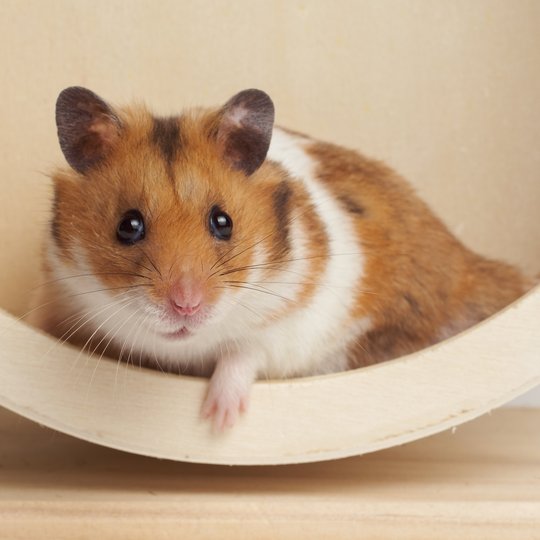
The hamster is a night owl by nature and only really gets into shape at dusk. During the day, on the other hand, it needs absolute peace and quiet. When the hamster is awake, it is very active, climbing, running and looking for food. Then it's great fun to spend time with him.
The new "family member"
In the first few days, the hamster wants to be disturbed as little as possible so that it can settle in peacefully. That's why the home should be ready before it arrives. Once the animal has recovered from the strain of transportation, it will curiously explore its new surroundings and eagerly collect materials for nest building.
Making friends with the hamster
Once the hamster has settled in a little, you can start to make friends. The best time to do this is in the evening, as this is when the hamster perks up. The quickest way to get the little guy to become friendly is to give him a treat - e.g. a Kräcker®- in the cage. After a short time, the hamster usually gnaws on it with relish and gets to know the smell of the human hand. Soon you will be able to stroke it carefully.
-
How do I feed my hamster properly?
The basics of nutrition
Hamsters originate from deserts and steppes, where food is often very scarce. They are often out all night looking for suitable food: plants, seeds, fruit and insects. A certain amount of animal and vegetable proteins is particularly important in the hamster's diet, as the proteins provide the little "long-distance runner" with much-needed energy.
Our hamsters are also particularly active animals that use up a lot of energy when running, climbing, etc. To keep the small rodent fit and healthy, it therefore needs a special diet, e.g. with high-quality protein and vegetable fats. Vitakraft 's species-appropriate nutritional concept is precisely tailored to the special needs of hamsters and contains everything the animal needs for a long and healthy life.
The types of food:
Main food:
A main food, such as Vital Menu covers the basic nutritional requirements of hamstersRoughage:
Roughage has a high fiber content. As these fibers require long periods of chewing, the teeth are cared for and the animals are kept busy at the same time. For example, roughage includes VitaVerde® Alpine meadow hay or Vita Verde® Nature plus hay mixtures , e.g. with dandelion or camomile.Kräcker®:
These tasty nibble sticks fulfill several functions at once: The animals have to work for their food just like in nature. This is good against boredom and keeps the hamsters busy in a species-appropriate way. Nibbling on the hard Kräcker® also promotes the abrasion of the constantly growing teeth and thus supports their careTreats:
Snacks, such as drops serve primarily as a reward and are a valuable aid in taming and habituationFood supplements:
Food supplements such as VITA Fit® Vitamin C drops or VITA Fit® C-forte serve to strengthen and build up the body and cover the special requirements in certain life situations, e.g. during growth, after illness or in particularly active animalsFeeding tips:
- Feed a varied diet!
- Offer juicy food such as fruit or fresh greens every day
- Beware of the risk of mold: regularly clear out the hoarded food supplies, remove wilted greenery daily
- Always provide fresh drinking water or VITA Fit® rodent drink offer
- Hamsters constantly need something to nibble on to wear down their gnawing teeth, e.g. Kräcker®
- For the vital supply of minerals and trace elements, always hang a salt lick in the hamster home, e.g. VITA Fit® Sel-plus from Vitakraft
-
What do I need to consider when keeping and caring for hamsters?
Species-appropriate keeping
As typical loners, hamsters generally do not value the company of conspecifics. Sometimes keeping them together works well, but often even pairs of hamsters are only interested in each other during the mating season and then go their separate ways again. If you have several hamsters, there should at least be an alternative home so that the animals can be separated in the event of a quarrel.
Golden hamsters in particular are usually kept individually because they are very incompatible with each other. Dwarf hamsters are somewhat more sociable and it is often possible to keep several of them in one rodent home.
Coat care
A short-haired hamster doesn't really need any help with grooming. With long-haired teddies, however, the coat should be checked regularly for dirt and tangles and can also be treated with a soft brush. Important: Hamsters come from the dry desert and must not be bathed!
Cleaning the hamster house
All cleaning work on and in the hamster house should be carried out in the evening when the hamster is awake. The drinker and food bowls should then be cleaned with warm, clear water. The cage floor should be wiped out once a week with a damp cloth - and the bedding should be completely replaced at the same time. Once a month is the time for a real deep clean: The cage and the top part of the cage should be given a warm shower in the bathtub. But please never use strong household cleaners!
-
How can I recognize a healthy hamster & what do I need?
As typical loners, hamsters generally do not value the company of other hamsters. It is important to keep the small rodents busy. The large hamster home should therefore be equipped with plenty of climbing opportunities and a running wheel before the new hamster moves in.
Checklist for the initial equipment:
- Large home with cross bars for climbing. Caution: The cross bars must not be too wide to prevent the hamster from slipping through them
- Food bowl for the grain food
- Rack for green food and hay
- Hamster drinker with fresh drinking water or VITA Fit® rodent drink
- A salt lick for the important supply of minerals
- Running wheel for night-time training
- Sleeping house for a restful "daytime nap"
- For nest building: hay and natural cotton material, e.g. Vita Verde® and cuddly bed for hamsters
- Absorbent bedding, e.g. Small animal bedding from Vitakraft
- Main food, e.g. Vitakraft Vital menu
- Vitakraft Kräcker® for activity and tooth wear
Tips for buying a hamster
Hamsters are available in almost every pet store or directly from breeders. Hamsters are also often waiting for a new home at animal shelters. As these small rodents are active at twilight, it is advisable to choose an animal in the late afternoon or early evening. Then the hamsters are awake and can be observed better. A hamster should be around 4 - 5 weeks old when you buy it.
Tip: It is best to ask the pet shop to give you some used nesting material directly from the sleeping house to put in the newly furnished hamster home. The familiar smell makes settling in easier.You can recognize a healthy hamster by
- its smooth and shiny coat
- its lively behavior
- clear eyes
- a dry nose
- a clean anus
The right place for a hamster home
Hamsters sleep most of the day and therefore need a particularly quiet place. The location should be free from draughts and protected from bright sunlight. The hamster also does not tolerate strong temperature fluctuations.
Adventure land hamster home
Hamsters are real climbing artists with almost acrobatic abilities. There are therefore no limits to the imagination when it comes to equipping the hamster home - the main thing is that the rodent's passion for climbing is satisfied. In addition to the crossbar of the rodent home, unsprayed branches or wooden ladders are suitable for this purpose. However, care must always be taken to ensure safety: Because if the hamster lets itself fall - and this happens frequently - it must fall softly!
Chinchilla guide
Show all answers
Hide all answers
-
What do I need to consider when acclimatizing chinchillas?
If handled lovingly, a chinchilla usually becomes tame quite quickly and often learns to respond to its name. Chinchillas are the ideal pets for working people in particular, as they are active at dusk and only wake up in the early evening. This is when these lively rodents show off their amazing acrobatic skills: Daring climbing feats and meter-high jumps from a standing position are "child's play" for them. Important: During the day, chinchillas have their natural resting time and must not be disturbed!
The new home
Some chinchillas settle in after just a few days, others need a little more time. In any case, you should give your new roommate plenty of rest so that he can gain confidence in his new surroundings. By the way, chinchillas are sensitive by nature: noise, unfamiliar people or hectic movements can frighten them or cause stress - even if you don't notice it straight away.
How to tame a chinchilla
Once the chinchilla has settled into its new home, you can start to "get to know it". Every evening, for example, pass a treat through the fence and talk to the animal in an enticing manner. For example, a Kräcker® or even half a hazelnut.
Only when the chinchilla has become accustomed to this type of feeding is the process repeated through the open door. If the chinchilla is no longer afraid of your hand and comes closer and closer of its own accord, you can touch it carefully.
You should always wait until the chinchilla is completely unafraid to be touched before picking it up - this requires both trust from the chinchilla and practice and empathy from the owner. First, carefully place one hand under the chinchilla. With the other hand, hold the animal by the base of its tail to prevent it from jumping away. Important: The chinchilla's tail is very sensitive. Therefore, never grab or hold the end of the tail. The so-called neck grip is also completely unsuitable for chinchillas, as the animal would immediately lose its fur there. -
How do I feed chinchillas correctly?
The basics of species-appropriate nutrition
Chinchillas are adapted to the natural food available in their native habitat - the South American Andes. These are mainly low-nutrient and high-fiber plant foods, plants, grasses, roots, bark and occasionally dry berries and fruit.
Chinchillas are therefore pure herbivores that also need food with a high crude fiber content when kept at home. Hay and special staple food, e.g. pelleted green food such as Vitakraft Pellets meet these requirements. Dried herbs and a mineral stone are ideal supplements. Chinchillas are passionate and powerful rodents, so a Kräcker® should always be available in the chinchilla home. They also like to gnaw on fresh twigs from fruit trees.Types of food
Staple food:
A staple food, such as Pellets or VITA® Special covers the basic nutritional requirements of chinchillasRoughage:
Roughage contains a high proportion of fiber, which is important for chinchillas' digestion. As these fibers also require long periods of chewing, the teeth are cared for and the animals are kept busy at the same time. The roughage includes, for example Vita Verde® Alpine meadow hay, Vita Verde® hay mixtures e.g. with dandelion or the nature snacks Vita Verde® Nature MixKräcker®:
The tasty nibble sticks fulfill several functions at once: The animals have to work for their food just like in nature. This is good against boredom and keeps the chinchillas busy in a species-appropriate way. Nibbling on the hard Kräcker® also promotes the abrasion of the constantly growing teeth and thus supports their careTreats:
Delicious snacks with lots of vegetables and fruit, such as Vita Verde® Nature Flakes offer the small rodents variety and also serve as a reward. They can be a valuable aid in taming and habituationFood supplements:
Food supplements such as VITA Fit® Mineral Stone or VITA Fit® C-forte serve to strengthen and build up the body. They cover the special requirements in certain life situations, e.g. during growth, after illness, in particularly active animals, during pregnancy, etc.Feeding tips
- Feeding time is always in the evening
- Hay should be available at all times
- Observe the feeding quantity for the main feed
- Fresh drinking water daily or VITA Fit® rodent drink
- Always provide gnawing material to wear down the gnawing teeth, for example natural branches and Kräcker®
- It is best to feed treats when the animal is out and about and while it is occupied
- For an additional supply of minerals and vitamins VITA Fit® Mineral Stone Give
- Offer fresh fruit, nuts or green fodder only in small quantities
-
How do I keep & care for chinchillas properly?
Chinchillas need a spacious home in which they can also jump. They should also be offered regular - preferably daily - outdoor exercise to satisfy their great urge to move. But beware: furniture can fall victim to their strong need to gnaw, so supervision is important when letting them run free.
Personal hygiene and health care
Chinchillas are very clean animals with little inherent odor. They do not need direct assistance with grooming - but there are a few things you should know and pay attention to:
Coat
In their natural habitat, chinchillas groom, clean and degrease their fur by regularly "bathing" in fine sand. This is the only way to maintain the protective insulating layer of the silky soft coat. A daily sand bath, for example in SANDY from Vitakraft, is therefore essential for your chinchilla's health, beauty and zest for life.
As tempting as the soft coat may be, the chinchilla finds frequent stroking unpleasant because the natural hand fat sticks to the coat.
Teeth
The chinchilla's gnawing teeth are constantly growing back. The animal therefore always needs something hard to nibble and gnaw on, e.g. Kräcker® or twigs from unsprayed fruit trees. Hay also plays an important role in dental care, as it needs to be chewed for a long time. If there are problems with the teeth, it is essential to consult a vet.
The chinchilla home
Chinchillas are naturally eager to move and jump. The rodent home should offer plenty of space for them to run around and should also be as high as possible. A flight aviary for small birds, for example, in which perching boards are placed at different heights, is suitable. However, make sure that the doors are large enough when buying.
Equipment of the chinchilla home
Climbing and play opportunities belong in every chinchilla home. The bars of the home must be stable so that the chinchilla cannot gnaw through them. Painted or plastic-covered bars can harm the animal.
Location of the chinchilla home
Chinchillas sleep during the day and therefore need a quiet place. A bright, screened-off corner of the room is ideal. It is best to place the home at about chest height so that the animal is not startled by movements coming from above. The place should not be too warm; the ideal room temperature is around 18°C. Even in summer, the temperature should not be permanently above 25°C. Chinchillas do not tolerate draughts or bright sunlight.
Cleaning the chinchilla home
All care measures should take place in the evening when the chinchilla has "got up". Soiled hay and damp bedding (also from the sleeping house) should be removed and replaced several times a week.
Once a week, it's time for a big clean: the drinking bottle, food bowls and sand bath must be thoroughly washed out, the cage floor cleaned with hot water and the bedding completely replaced. Once a month, the climbing branches should also be washed with hot water and then dried thoroughly. Please never use strong household cleaners!Species-appropriate husbandry
The chinchilla would prefer to share its home with a conspecific. Keeping them alone is not species-appropriate, as even in their natural habitat they live together with several animals in a colony. A pair or two females that have grown up together get along particularly well. Often two males also get along - as long as they do not compete for the favor of a female.
Unfamiliar animals must be acclimatized to each other very carefully. If kept in pairs with an unneutered male, offspring must of course be expected. -
What do I need to consider when buying chinchillas?
Chinchillas are active and active rodents - and really great pets. If you learn about the nature and temperament of these animals, you can offer chinchillas optimal living conditions: with the right rodent home, a species-appropriate diet and plenty to keep them occupied. You should therefore make a few preparations before buying a pet.
Checklist for the initial equipment
- Sufficiently large chinchilla home
- Stable, washable food bowl
- Hay rack for the daily hay ration
- Drinking trough with fresh water or VITA Fit® rodent drinker
- Sleeping house for sleeping and resting
- Thick natural branches, perches at different heights and ladders for climbing
- For playing and important activities: Cardboard tubes, wooden seesaws etc.
- Rodent stone for the vital supply of minerals, e.g. VITA Fit® mineral stone
- Padding material, for example hay from the VitaVerde® program or scraps of fabric
- Soft, absorbent bedding, e.g. small animal bedding made from wood shavings or Farmer's straw litter made from pelleted straw
- Main feed, e.g. Emotion® Beauty Selection or Pellets
- Vitakraft Kräcker® for activity and tooth wear
Tips for buying chinchillas
Chinchillas can be bought in pet shops or directly from breeders. Sometimes chinchillas are also waiting for a new home in animal shelters. The chinchilla should be at least eight weeks old when you buy it. Incidentally, the best time to choose a chinchilla is late afternoon, as this is when the crepuscular rodents are well-rested.
You can recognize a healthy chinchilla by:
- its lively behavior (at the right time of day)
- a uniformly thick coat with no bald patches
- a dry and clean nose
- clear, shiny eyes
- smooth ear rims without scales or crusts
- healthy gnawing teeth: yellow-orange in color and parallel to each other
- a clean anus and oval-shaped, firm droppings
Guide for small rodents
Show all answers
Hide all answers
-
What do I generally have to consider when keeping and caring for rodents?
Just like nutrition, keeping rodents in a species-appropriate environment is a basic prerequisite for a long and healthy life. The most important things are: a large home and species-specific activities such as exercise, climbing opportunities, company of other rodents or places to dig and burrow. The latter is particularly important for rodent species that live in underground burrows in the wild.
Body care
Many rodents take care of their own personal hygiene. Regular cleaning of the rodent home - especially the feeding and toilet areas - and, depending on the species, a sand bath or occasional brushing are usually sufficient.
Cleaning the rodent home
Depending on the type of animal, cage size and number of animals, the rodent home should be cleaned about once a week and the bedding should also be changed. The toilet corner should be cleaned in between. The rodent home itself as well as the furniture, i.e. food bowls, hay rack etc. should also be cleaned regularly - preferably with warm water.
Once a month it's time for a real deep clean. Then the whole rodent home is thoroughly washed out. However, harsh household cleaners should not be used. Very heavy soiling can be cleaned with a stiff brush, washing-up liquid or vinegar if necessary. Then rinse everything well with clean water and leave to dry. Only then should clean small animal bedding be filled in and the furniture replaced. This keeps the rodent house hygienically clean.
-
How can I recognize a healthy rodent and what do I need?
Rodents are found in a wide variety of species all over the world and have adapted to their respective habitats in different ways. Many rodent species are already very popular and well-known as pets, while other rodents - including very different animals - are only gradually gaining popularity. It is important to note that every rodent has its own specific requirements for species-appropriate food, activity and a rodent home.
Checklist for the initial equipment
- Sufficiently large rodent home
- Stable, washable food bowl
- Rack for the daily hay ration
- Hay, e.g. from the Vita Verde® program
- Rodent drinker with fresh water or VITA Fit® rodent drink
- Sleeping house for sleeping and resting
- Soft, absorbent bedding, e.g. small animal bedding made from wood shavings or Farmer's straw litter made from pelleted straw
- Salt lick for the supply of important minerals and trace elements
- Staple food, e.g. Vitakraft Vital menu
- Vitakraft Kräcker® for activity and tooth wear
Tips for buying
Many animal lovers are already experienced in keeping hamsters or guinea pigs and at some point turn their attention to other rodents whose appearance or behavior they find particularly interesting. You can find such animals at a responsible breeder or in a good pet shop, for example. Rodents are also often waiting for a new home in animal shelters or private rescue centers.
You can recognize a healthy rodent by
- its lively, alert behavior (consider the time of day for nocturnal species!)
- the thick fur
- clear, bright eyes
- a dry nose
- a clean anus region