

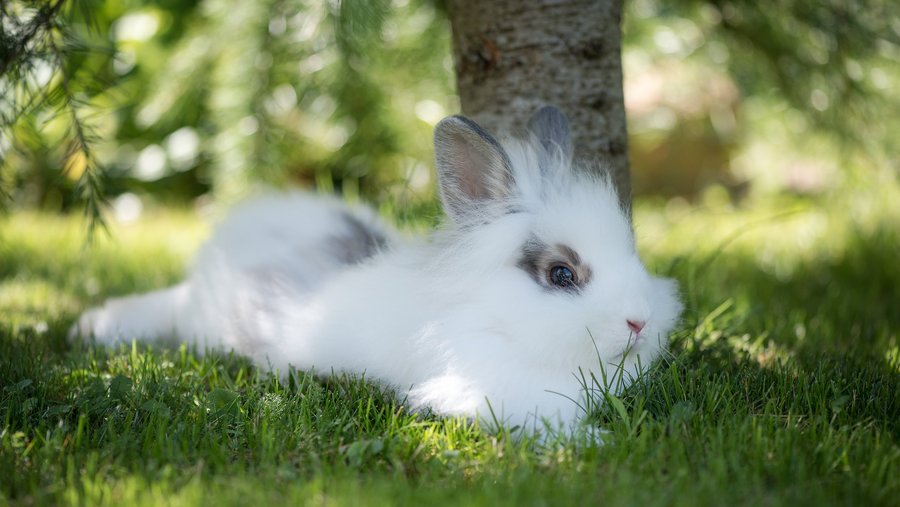
Rabbits are naturally cave animals and in the wild spend hot days in their burrow deep underground. Guinea pigs come from the cool Andes of South America. But even desert dwellers such as hamsters or gerbils stop feeling comfortable above 22 degrees. At the latest when the thermometer climbs above 25 degrees, you need to Take action.
The simplest solution: escape the heat
On really hot days, you should simply play it safe. In other words: find the coolest place for your rodent. Perhaps you have a room in the cellar where they can spend the time until the evening? A room with air conditioning? Or a cool garage? Ideal - for you and your animals. Because then you don't have to keep an eye on your pets all the time. For your four-legged friends, the move to their new home will soon become routine. And much less stressful than heat stress.
Exceptionally good: the downsides of life
If you don't have this option, there are a few tricks to keep them cool. You have carefully chosen the space for the outdoor enclosure anyway. It therefore offers sufficient shade around the clock, even on sunny days. Ideally by a tree or non-toxic shrubs directly in the enclosure. If you keep your animals indoors, close the blinds as a first measure. The rooms will then heat up less. In the evening, open the windows to let the cool night air into the room. A tile with a smooth surface is also often a welcome guest for rodents on hot days, as it can retain cool temperatures for a long time.
Additional refreshments welcome
In the outdoor enclosure, provide your pets with an open shelter in addition to their house, for example a tunnel or bridge. This is because air builds up in the house when it's hot. You can cover the enclosure with wet cloths both inside and outside. This will ensure a pleasant evaporative cooling effect. Cool slabs or a damp sandpit are a popular summer resting place for rabbits in particular. Many animals also love to snuggle up to cold objects. To do this, place glass bottles half-filled with water in the freezer. Before you offer them to your animals, put them in a thick sock and tie it up at the end. It is generally not advisable to use artificial cooling elements, as the ingredients are often poisonous. To make sure they are safe, only use those that are specially designed for animals. It is also advisable to protect them from rodent teeth. An alternative to this is a wet brick, which generates extra coolness through evaporation. Many guinea pigs also love to cool their paws in the water bowl. Some rabbits can be refreshed by rubbing their ears with water.
Water without end
Speaking of water. On hot days, offer your animals water in bowls. That way you can be sure that they are getting enough. And don't give up exasperated at the bottle before they have taken in enough liquid. Change the water several times a day. The temperature from the cold tap is just right. Ice-cold water is well-intentioned, but carries the risk of colic.
Rodent diet plan for hot days
You may notice that your rodents show little appetite on hot days. They then make up for it in the evening. This is a natural reaction to relieve their circulation. You should adjust the food rations accordingly. Give your pets food that is as low in calories as possible during the day. Hay and dry herbs are ideal and should be freely available. This includes our Vita Verde® Nature Dinner "Herb Garden" or Vita Verde® crackers. Quickly perishable fresh food such as grass and lettuce should only be offered in the evening. This is because they can easily ferment in the heat and quickly lead to colic. Cucumbers, however, are always a refreshing and easily digestible snack. They contain a lot of liquid and hardly any sugar, unlike the watermelons that are often served. Also important: avoid frozen fruit or "ice bombs". What we tolerate well can really upset a small animal's stomach.
If you follow all the tips, your beloved rodent is sure to get through the summer just fine.