

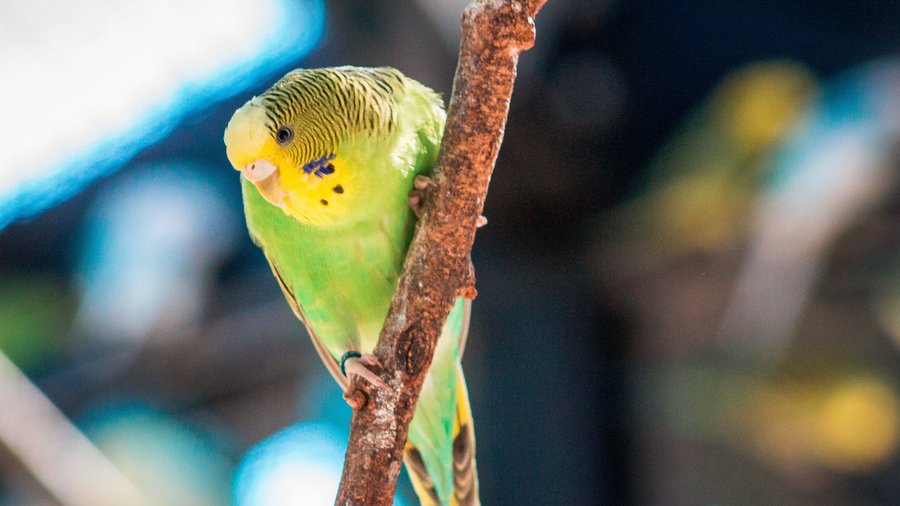
Birds are intelligent creatures that perceive their environment with all their senses. In the home, you provide variety. Outside, nature takes care of that. Wind, weather, new sounds and smells - all this brings a lot of variety. Keeping your pets outside also improves their health. Changing weather conditions are good for the immune system. And the sunlight ensures healthy skin and strong feathers.
With an outdoor aviary, the bigger the better.
If your birds can spend the whole summer outside, you should allow them as much free flight as possible. Four square meters is a good size. This gives your feathered friends a long flight path and you can enter the aviary easily. And you'll have everything you need to offer your pets the perfect summer retreat. Suitable aviaries can be found ready-made in stores - or you can do it yourself.
Tips for an all-round protected outdoor experience.
Safety first. Therefore, in addition to the size of the aviary, you should pay particular attention to the following things:
- The first thing to check is official requirements. For example, do you need to obtain a permit or do special animal welfare requirements need to be taken into account?
- Make sure that the aviary is also securely closed at the bottom. This ensures that potential intruders such as martens or weasels are kept out. A solid base plate or a grid that you sink into the ground is ideal. Also make sure that there are no gaps or holes anywhere and that the grille is firmly screwed to the frame everywhere.
- Hardwood, toy paint for the coating and spot-welded stainless steel mesh are guaranteed non-toxic building materials.
- The location should be sheltered and offer both sun and shade at all times. A place under a tree, next to shrubs or against a house wall is ideal.
- At least two sides of the cage should ideally be closed, for example by the adjacent house wall or a wooden panel. Depending on the bird species, an additional protected area may also be recommended or even mandatory. This way, your birds will feel safe and can relax and enjoy the summer.
- Double Plexiglas panels as a cover protect against rain and wild bird droppings
The same applies to the aviary: the inner values count.
The interior of your aviary is at least as important as a stable exterior. A mixture of structure and open space is perfect. This allows your pets to use all the dimensions of the aviary, but also to fly over the entire length. You can give free rein to your creativity. You can create the seating and climbing areas from natural wood. You can find out which ones are suitable here. Bird sand, beechwood granules or hemp litter are suitable as bedding. You can make your peeps especially happy by offering them a climbing tree. The more natural, the better!
Timing is everything - for a move outside.
When is the right time to release your protégés into their summer aviary? Temperatures should be stable between 15 and 25 degrees during the day and the night frosts should be over. If the temperatures indoors and outdoors are roughly the same, you are definitely on the right track with the move. Ideally, you should simply move your pets together with their usual housing. For transportation outside, cover the cage with a dark cloth. The darkness will calm your birds so that they can move to their summer residence without stress. It is best to place the cage slightly elevated in the aviary. This allows your birds to view their new surroundings from above. Soon the bravest will dare to venture out into the great outdoors. Little by little, the others will follow. You can leave the cage in the aviary for a few days. Your birds may want to sleep in their usual home at first. As soon as they have moved into their new roosts, you can remove the cage.
And how does the way back work?
Now your feathered friends are enjoying their summer vacation to the full. But how and when will they return home? As far as timing is concerned, the same rules apply as in spring: the temperatures inside and outside should be roughly the same. Only night frost should be avoided. For a stress-free return, put the cage in an elevated place in the aviary. From now on, feed your pets exclusively in the cage. As soon as they visit the cage regularly, you can remove the sleeping areas from the aviary. Your pets will then voluntarily spend the night in the cage and you can bring them back into the apartment without too much fuss. This is easier with tame birds, but perhaps a little more difficult with others. Under all circumstances, trapping nets should only be used as a last resort by professionals or after thorough instruction by a professional. Once back at home, there are plenty of treats, play opportunities, free flight in the room and your ideas on how never to get bored. Winter will fly by. And the next summer is sure to come.